Do you light up when you see a brick center-hall Colonial or a storybook Tudor with an arched door? You are not alone. In Mt. Lebanon, classic architecture is a huge part of the borough’s charm and a big reason buyers keep scrolling listings until they find “the one.” In this guide, you will learn how to spot the most loved styles, what floor plans and details buyers value, and which updates make these homes live beautifully today without losing character. You will also get practical photo tips and preservation basics to plan a confident purchase or sale. Let’s dive in.
Mt. Lebanon at a glance
Mt. Lebanon’s older neighborhoods are the real backdrop for its appeal. A large swath of the borough is listed as the Mt. Lebanon Historic District on the National Register, covering roughly 4,200 to 4,400 historic resources built mainly from the late 1800s through about 1945. That legacy gives you streets of period homes with rich materials and mature settings.
Market context helps frame decisions. As of February 2026, Redfin reported a median sale price around $415,000 for Mount Lebanon. Individual trends vary by block and condition, so use current comps when you are ready to act.
Schools are another draw. The Mt. Lebanon School District’s recognitions are documented on the district’s awards page and are often cited by buyers who want a strong community context.
For owners, the borough supports thoughtful stewardship. Mt. Lebanon maintains a Historic Preservation Board and publishes a homeowner-friendly Design Guide to help you preserve character and plan sensitive updates.
Colonial Revival homes
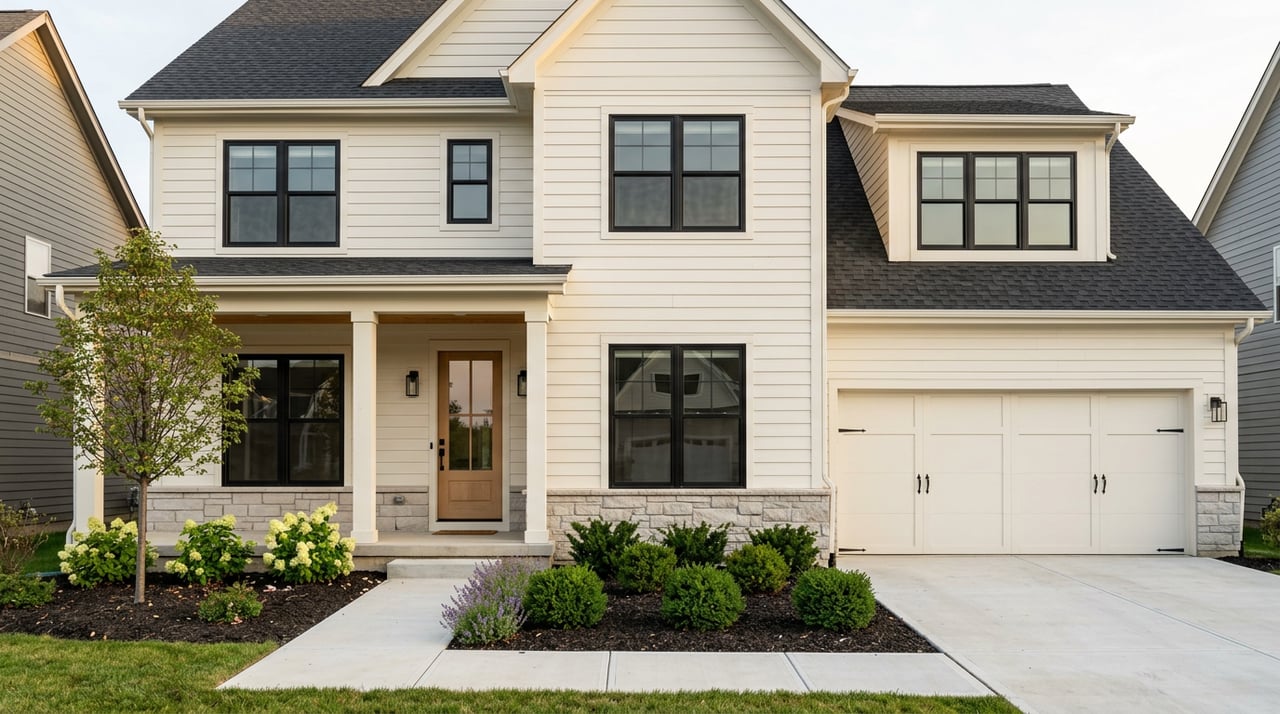
Colonial Revival is one of Mt. Lebanon’s signature looks, especially in subdivisions developed during the 1910s through the 1930s.
- Defining features: symmetrical façade, brick or clapboard, multi-pane double-hung windows with shutters, a columned portico or centered entry, and dormers. Pennsylvania’s style primer outlines these hallmarks clearly in its architectural style guide.
- Typical plan: two or two-and-a-half stories with a classic center-hall layout. Formal living and dining rooms flank the entry. You often see plaster walls, detailed moldings, and occasional built-ins.
- Where you see it: across early subdivisions highlighted in local documentation, including Mission Hills, Virginia Manor, and Beverly Heights.
- Buyer appeal and updates: buyers love the timeless proportions and trim detail. Many want a refreshed kitchen opened to a family space while keeping the front rooms intact. Cosmetic kitchen updates and a modernized main bath go a long way.
Tudor Revival homes
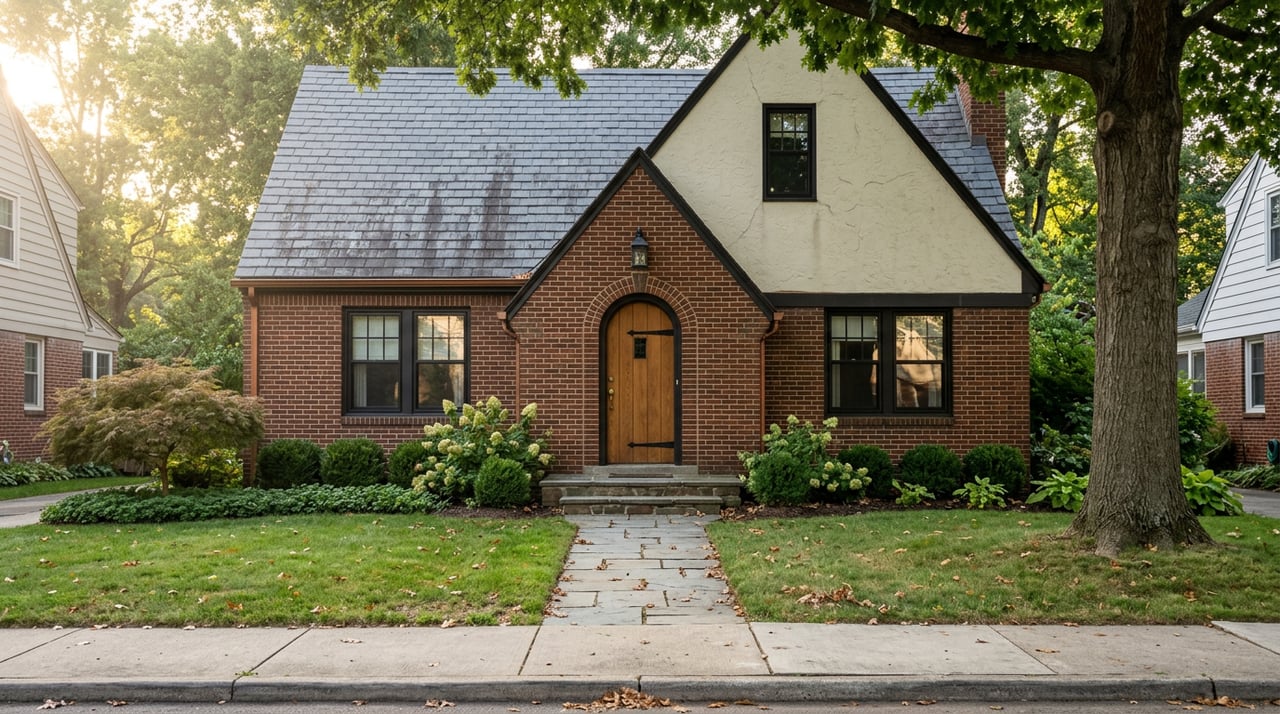
Tudor Revival brings the storybook vibe many buyers picture when they think of Mt. Lebanon.
- Defining features: steep gables, decorative half-timbering or stone and brick cladding, tall narrow windows, and an arched or recessed entry. The state style guide covers these cues.
- Typical plan: cozy, asymmetrical rooms with a masonry fireplace and charming niches. Original kitchens were compact, so many homes have been opened to a casual dining or family area.
- Where you see it: throughout Mission Hills, Virginia Manor, and other 1920s to 1930s subdivisions noted in local records.
- Buyer appeal and updates: character wins here. Arched openings, exposed beams, and leaded glass are prized. Buyers still expect updated kitchens and bathrooms, plus efficient systems.
Craftsman and bungalows
Craftsman influence shows up in both compact bungalows and larger houses.
- Defining features: low-pitched gabled roofs, wide eaves with exposed rafters or brackets, and deep porches with tapered posts on masonry piers. See clear definitions in Historic New England’s homeowner primer.
- Typical plan: one or one-and-a-half stories with built-in cabinetry, window seats, and rich woodwork. The scale adapts well to a tasteful kitchen refresh and finished lower level.
- Where you see it: pockets from the early 1900s into the 1920s, often near streetcar-era blocks.
- Buyer appeal and updates: the porch lifestyle, warm wood details, and practical layouts resonate. A light, bright kitchen, renovated main bath, and improved insulation are common asks.
American Foursquares
American Foursquare homes are efficient, comfortable classics that live larger than they look.
- Defining features: boxy two-story massing, hipped roof with a central dormer, and a broad front porch. Materials are often brick or clapboard. See cues in the Pennsylvania style guide.
- Typical plan: a straightforward four-room-per-floor layout that is easy to modernize. Many owners enlarge the kitchen and add a primary bath.
- Where you see it: common in 1910s and 1920s streetcar and early auto suburbs.
- Buyer appeal and updates: flexible “good bones,” generous rooms, and classic curb appeal. Thoughtful kitchen rework, a main-level full bath, and organized storage make these shine.
Other notable styles
You will also encounter Queen Anne homes and eclectic French Provincial or Dutch Colonial designs in architect-driven pockets, along with postwar ranches and Cape Cods outside the National Register district. For visual variety and local examples, browse the Historical Society of Mt. Lebanon’s house profiles.
How these homes live today
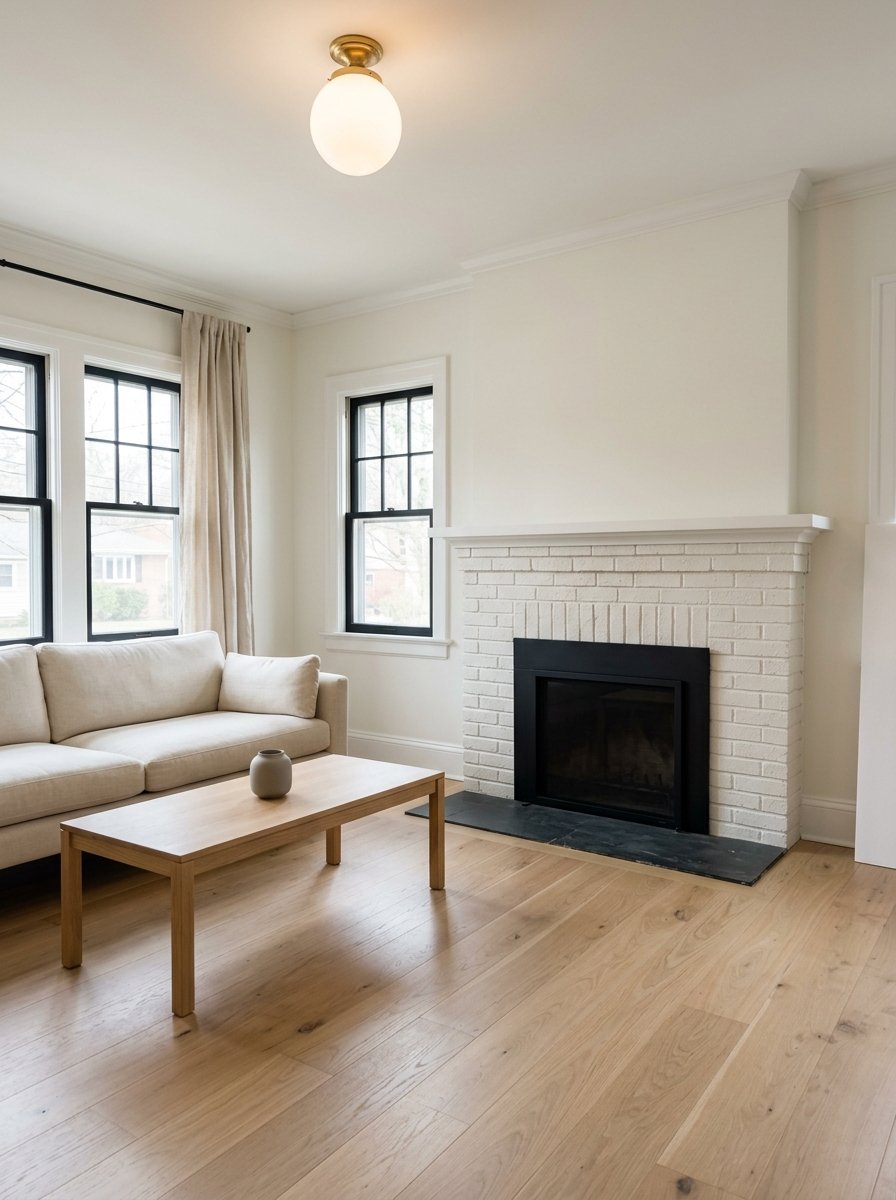
Why do buyers still choose character homes in Mt. Lebanon? Original porches, moldings, fireplaces, and built-ins deliver warmth you cannot fake, and the walkable, established settings near services add everyday convenience. The borough’s Design Guide encourages preserving these character-defining elements while updating for comfort.
What do modern buyers expect? National research shows continued demand for practical, move-in-ready features like updated kitchens, energy-efficient fixtures, a main-level full bath, laundry, outdoor living, and usable storage or garage space. See the latest findings in NAHB’s What Home Buyers Really Want.
High ROI updates
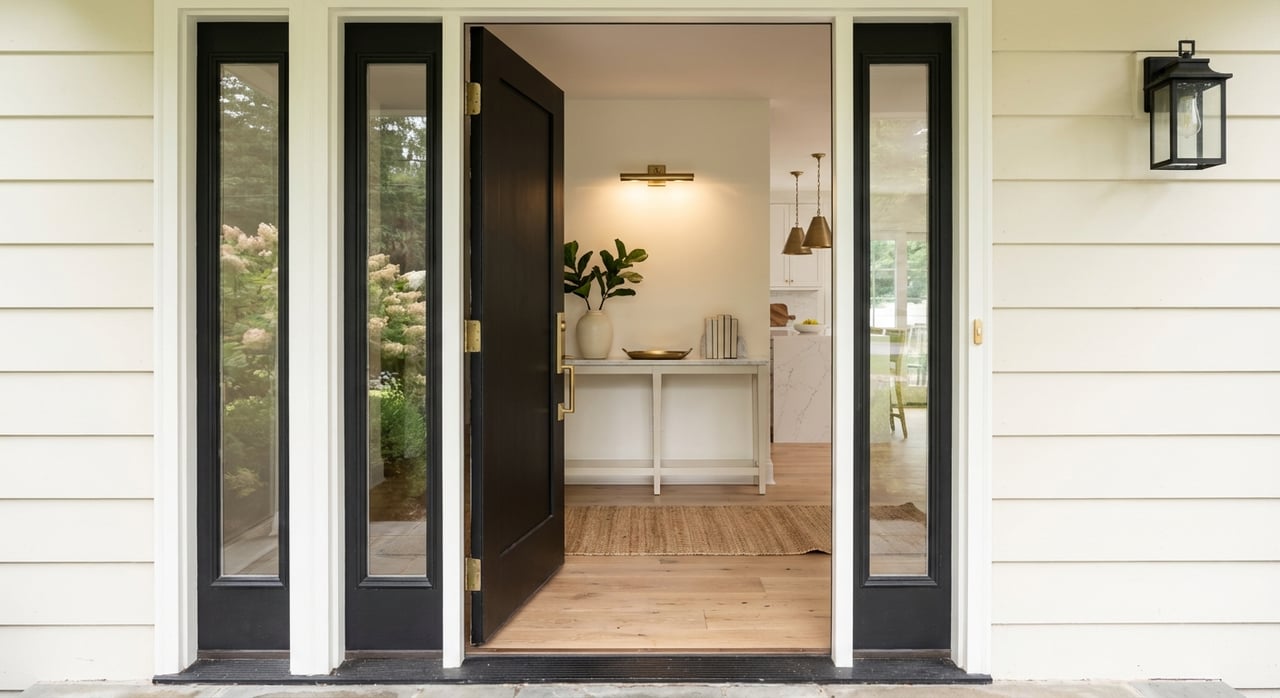
When you plan improvements for resale, aim for visible, right-sized projects rather than overbuilding. The 2025 Cost vs. Value reporting found that modest, high-impact projects like garage and entry doors, siding refresh, and especially minor kitchen remodels often recoup a large share of cost at resale. In many markets, minor kitchen remodels reached roughly 100 to 113 percent recapture. Review the national snapshot in the 2025 Cost vs. Value report, and confirm details with local comps.
Smart priorities for most period homes:
- Refresh the kitchen with paint, hardware, lighting, counters, and appliances while keeping the footprint where possible.
- Modernize at least one full bath with clean tile, updated fixtures, and better lighting.
- Service the roof, gutters, and masonry. Repoint and repair rather than replace when feasible.
- Upgrade HVAC, electrical service, and insulation where needed. Choose window strategies that balance energy performance with original character, guided by the borough’s Design Guide.
Preservation and permits
A National Register listing recognizes significance but does not by itself restrict private owners from altering their homes. If federal funds or permits are involved, a Section 106 review can apply. Locally, Mt. Lebanon maintains a Historic Preservation Board and offers guidance to help you plan exterior work that respects the house and the street. Before you change porches, windows, chimneys, or masonry, consult the municipal Design Guide and contact staff early in your planning.
Safety and inspection list
Older homes reward care. Whether you are buying or preparing to list, use this quick checklist and consider a pre-listing inspection for clarity.
- Roof age and condition, plus flashing and gutter performance.
- Signs of past water intrusion at foundation and around windows or doors.
- Foundation movement or settlement cracks that warrant evaluation.
- Electrical service capacity and panel condition. Note any knob-and-tube wiring.
- Boiler or furnace age, distribution type, and air conditioning function.
- Basement moisture, sump operation, and ventilation.
- Handrails, guardrails, and basic safety compliance.
Photo checklist
Great photos sell classic homes. Capture the details that define each style.
- Façade overview with roofline and entry in frame.
- Porch detail, including posts, brackets, and masonry piers.
- Interior feature close-up, such as mantels, built-ins, stair newels, or molding profiles.
- Kitchen and main bath, ideally in a light, decluttered state. Before-and-after if available.
- Street and lot context to show scale, setbacks, and mature landscape.
Ready to shortlist homes or prep yours for market? With staging baked into the process and photo-first marketing, you can present the details buyers come to Mt. Lebanon to find. For local guidance, curated styling, and negotiation-savvy execution, connect with Jonette Shanahan.
FAQs
What defines a Tudor Revival home in Mt. Lebanon?
- Look for steep gables, brick or stone with half-timbering, tall narrow windows, and an arched or recessed entry, features summarized in Pennsylvania’s style guide.
Do I need approval to change windows in the Mt. Lebanon Historic District?
- The National Register listing alone does not restrict private work, but the borough encourages early consultation and use of its Design Guide to plan period-sensitive window strategies.
Which updates add the most value to older Mt. Lebanon homes?
- Minor kitchen remodels, refreshed baths, and strong curb appeal elements often deliver high impact, as highlighted in the 2025 Cost vs. Value report.
Where are Colonial Revival homes concentrated in Mt. Lebanon?
- Colonial Revival homes are widespread, especially in early 20th-century subdivisions like Mission Hills, Virginia Manor, and Beverly Heights noted in local documentation.
What should I inspect when buying a 1920s Mt. Lebanon house?
- Prioritize roof and water management, foundation stability, electrical capacity, HVAC age, basement moisture, and basic safety items such as handrails and guardrails.
How do Mt. Lebanon schools influence home demand?
- The district’s recognitions, noted on its awards page, are often cited by buyers as part of the area’s appeal and can support steady demand for well-presented homes.