Trying to decide between Washington Road and Beverly Road in Mt. Lebanon? Both offer charm, walkability, and an easy rhythm to daily life, but the feel on each corridor is different. If you are choosing a home nearby, those differences show up in your errands, parking, and the pace of your evenings. In this guide, you will learn what each area feels like day to day, how dining and green space compare, and what to expect for parking, transit, and nearby housing. Let’s dive in.
Washington vs Beverly: the quick feel
Washington Road at a glance
Washington Road functions as Mt. Lebanon’s primary main street, with a higher concentration of storefronts and municipal activity. You will find continuous sidewalks, benches, and marked crosswalks that support steady foot traffic. Midday activity is lively, and evenings often have a buzz, especially around dinner. Vehicle traffic is busier during weekday commute times.
Beverly Road at a glance
Beverly Road feels more intimate, with shorter blocks of shops and quick transitions into residential streets. Foot traffic is lighter overall, often peaking at breakfast, lunch, and early evening. The vibe is more neighborhood errand than destination night out. Streets just off the corridor are typically quieter.
Dining and shopping
Washington Road options
If you want variety within a short walk, Washington Road delivers. Expect a broader mix of coffee shops, bakeries, quick bites, and sit‑down restaurants. Specialty retail and service businesses like fitness studios and salons are also common. In warm months, you will likely see more sidewalk seating and evening activity.
Beverly Road options
Beverly Road supports smaller, neighborhood‑oriented spots for coffee, takeout, and casual meals. Independent retail often focuses on everyday needs for nearby residents. The experience is convenient and familiar, with fewer total options but an easy, local feel for routine stops.
Parks and green space
Mt. Lebanon maintains an extensive parks and recreation system with playgrounds, athletic fields, and larger community parks. You can browse park listings and facilities on the municipality’s parks and recreation page. From Washington Road, many larger civic and cultural destinations are a short walk or quick drive away, though walkable park access varies block by block. Beverly Road areas tend to sit closer to smaller neighborhood parks and playgrounds that are ideal for quick outdoor time or dog walks.
A practical tip: map a 5‑ and 10‑minute walking radius from any specific address to see exactly which parks are convenient. This block‑level check is often the best indicator of your day‑to‑day access.
Parking, traffic, and transit
Washington Road logistics
Parking is more formal along Washington Road. You will typically see metered or time‑limited on‑street spaces, along with municipal lots or a garage in some sections. Turnover is higher and competition can spike during lunch, dinner, and weekend evenings. Traffic is signalized and feels busier during commute windows. Bus stops are more frequent, with denser service due to the corridor’s commercial role. To explore routes and schedules across Mt. Lebanon, review Pittsburgh Regional Transit route maps.
Beverly Road logistics
Parking near Beverly Road is more curbside and limited in total count. You may find it easier to grab a quick space during off‑peak times, but supply tightens around popular cafes or weekend brunch. Traffic volumes are usually lower and speeds slower. Transit stops can be less frequent, depending on the block, so check route proximity for your daily commute.
For current municipal parking rules, time limits, and permit zones, consult the Mt. Lebanon website’s parking information and confirm posted signage on the street before you park.
Housing styles nearby
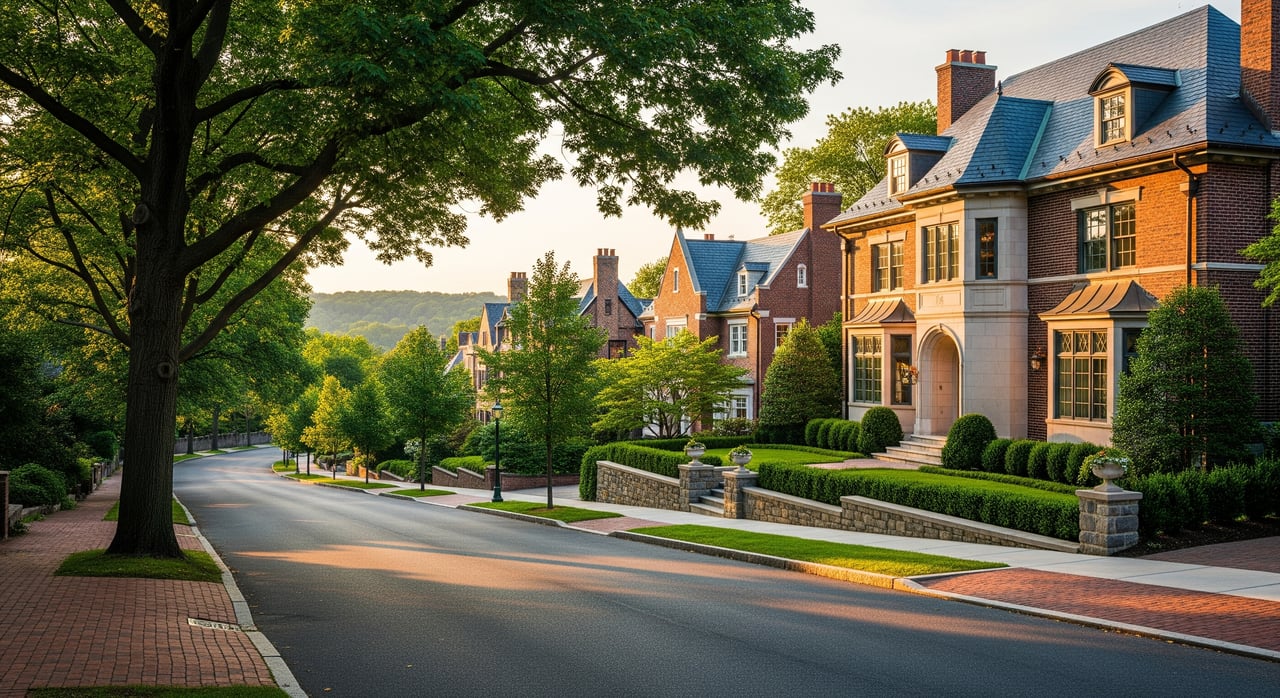
Mt. Lebanon’s housing stock reflects early to mid‑20th century development. You will see Colonial Revival, Tudor Revival, Craftsman and bungalow styles, alongside mid‑century ranches and brick colonials. Close to Washington Road, blocks often transition into denser housing types like small apartment buildings, duplexes, and townhouses, with smaller setbacks and strong sidewalk networks. Near Beverly Road, you transition to quieter single‑family streets more quickly, often with slightly larger yards and mature trees.
If you plan renovations or additions, check local zoning and any recent permit activity, since infill and renovations occur along both corridors. The Allegheny County property and GIS resources are helpful for verifying year‑built and lot details.
Day and night patterns
- Washington Road: Daytime brings steady shoppers and errands. Evenings have more restaurants open later, with higher foot traffic and parking demand, especially on weekends. Ambient noise can be livelier during events.
- Beverly Road: Daytime feels quieter, with local errands and short stops. Evenings see modest restaurant activity driven mostly by nearby residents. Nights are typically calmer away from busy corners.
How to choose: a field test
Use this simple checklist to compare specific blocks you are considering.
Walkability and routes
- Visit at a weekday morning, a weekday evening, and a weekend midday.
- Time your walk to coffee, a grocery option, a park, and a bus stop you would actually use.
Parking reality check
- Try on‑street parking at your likely times, like dinner or weekend errands.
- Identify the nearest municipal lots, and note any permits or fees.
Noise and activity
- Stand outside for 10 to 15 minutes during peak periods to gauge traffic, deliveries, and late‑evening foot traffic.
Housing and lot needs
- Note lot sizes, off‑street parking options, and storage like garages or sheds.
- Look at adjacent uses and their hours, like restaurants with outdoor seating, gyms, or places of worship.
Transit and commute
- Find the closest stops and check frequency using Pittsburgh Regional Transit maps. Test a sample commute during your actual peak hour.
Green space access
- Map your walking time to the nearest park and check for programmed events that might affect parking or noise on certain days.
Future changes
- Review municipal planning or zoning maps to understand allowed uses and any planned improvements.
Who each corridor fits
- Choose Washington Road if you want more choices within a short walk, active evening options, and frequent transit access. You should be comfortable with busier traffic patterns and more competition for parking at peak times.
- Choose Beverly Road if you prefer a quieter, neighborhood‑scaled daily rhythm, quick transitions to residential streets, and curbside convenience for short errands. You should be flexible about fewer total options and variable parking during weekend peaks.
Let’s walk it together
Every block tells a slightly different story. If you are weighing a move near Washington Road or Beverly Road, I will help you test the route, time the walk, and align the home with your everyday routine. If you are selling, thoughtful staging and photo‑day styling can showcase how your home fits the corridor’s lifestyle, which supports stronger pricing and faster results. Ready to compare options on the ground? Schedule a conversation with Jonette Shanahan.
FAQs
What is the main difference between Washington Road and Beverly Road in Mt. Lebanon?
- Washington Road is the borough’s primary main street with more dining and retail variety, while Beverly Road is a smaller, neighborhood‑scaled corridor that transitions quickly to residential streets.
How do dining options compare on Washington Road vs. Beverly Road?
- Washington Road offers a broader mix and later‑evening options, while Beverly Road focuses on everyday cafes and convenient neighborhood spots.
What should I expect for parking on each corridor?
- Washington Road has more formal metered or time‑limited parking and municipal lots with higher peak demand, while Beverly Road has more curbside parking but fewer total spaces.
How does transit access differ between the two areas?
- Bus service is typically denser along Washington Road due to its commercial role, while Beverly Road has fewer or less frequent stops depending on the block; check Pittsburgh Regional Transit maps.
What housing styles are common near Washington Road and Beverly Road?
- Expect early to mid‑20th century homes like Colonial, Tudor, and Craftsman, plus mid‑century ranches, with denser housing types appearing closer to Washington Road and quieter single‑family streets near Beverly Road.